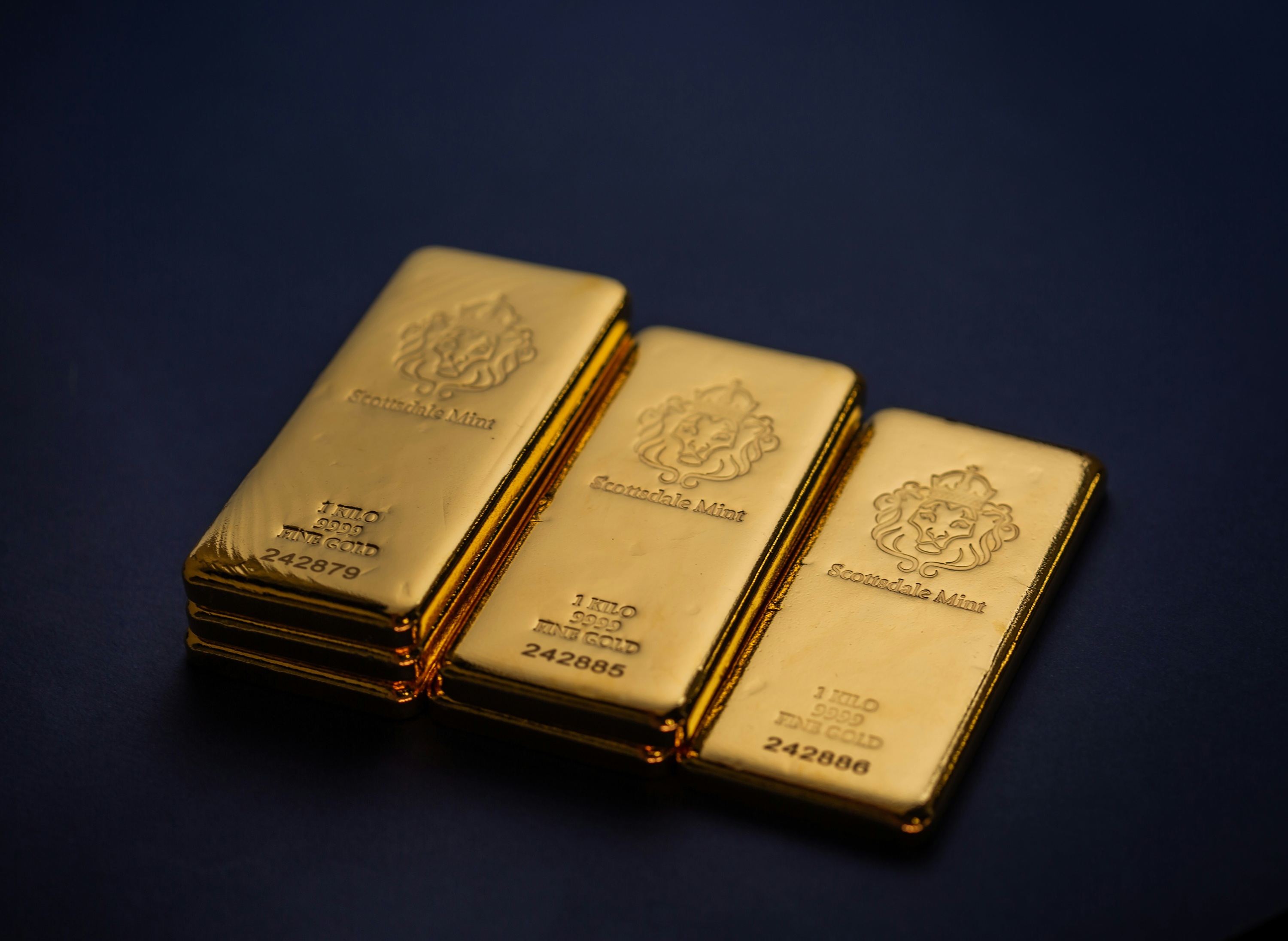
Gold & Silver Bounce
10th August - 14th August 2026
It was one of those summer weeks where markets looked calm on the surface, but there was plenty going on underneath. Global equities were broadly constructive, helped by cooler US inflation prints and continued enthusiasm around the artificial intelligence theme. In the US, the S&P 500 and Nasdaq managed a third consecutive weekly gain, while the Dow slipped a little. Small caps had a better time of it, suggesting investors were still willing to take some risk, particularly where lower interest-rate expectations could help valuations.
The main story was the economic data. US consumer price pressures eased compared with the previous month, and wholesale inflation also looked less threatening. That was enough to reassure investors that the Federal Reserve probably does not need to rush into another rate rise. The relief was not quite straightforward, though. Friday’s retail sales report was unexpectedly weak, with sales falling in July when economists had expected a small rise. Consumer sentiment also undershot expectations, with households still worried about the labour market and the broader cost of living backdrop. In plain English, the market liked the idea of less inflation but did not love the hint that the consumer may be tiring.
That mix matters for US interest rates. Softer inflation reduces the pressure on the Fed to tighten policy further, while weaker spending supports the argument for patience. Futures markets ended the week leaning towards no change from the Fed at the September meeting, rather than pricing a renewed hiking cycle. Bond markets were a little less celebratory: the 10-year Treasury yield finished Friday around 4.69%, up on the day, as investors also had to weigh stronger energy prices and the possibility that inflation might not fall in a neat straight line. The takeaway is that the bar for another hike looks higher, but the Fed is not yet able to declare victory.
Equity leadership was familiar. Technology and AI-related names continued to dominate the conversation, although some mega-cap tech shares pulled back on Friday. Corporate earnings overall remained supportive with most companies continuing to deliver strong profit growth, particularly in areas linked to technology, AI infrastructure and parts of the cyclical economy. The catch is that expectations have risen quickly. Companies are generally still beating forecasts, but share-price reactions are becoming more selective. That is often what happens later in an earnings recovery: investors stop rewarding “good enough” and start demanding either very strong guidance or a clear reason to believe margins can keep expanding.
Commodities also helped shape the week’s mood. Oil prices rose on the challenges of finding a peace deal between the US and Iran along with the continuing halt of cargo through the Strait of Hormuz. Higher oil prices were the name of the game which will certainly be less helpful for the inflation story. Gold and precious metals were also firmer which helped our investment portfolios across the range of strategies. Since the start of the year our physical and mining positions in gold and silver had been detracting from performance but the recent turnaround will add value to our performance so far in August.
We remain favourably constructive on precious metals. Current well known geopolitical events, record government debt, and little in the way of fiscal restraint from G7 governments should underpin gold and silver prices. Arguably, these forces have grown stronger in recent months, suggesting the bull market for precious metals has more legs. Against that backdrop, leading mining companies operating in the sector look very well placed to reap the rewards. Looking ahead, this week’s economic calendar should help decide whether the “soft landing” narrative can keep a bid under risk assets. Investors will be watching July’s fresh labour-market indicators, housing data, and business surveys, for signs that growth is slowing gently rather than abruptly. The key question remains the same: is inflation cooling because supply conditions are improving, or because demand is weakening? The first version is great for markets; the second is more awkward.
On the corporate side, retailers will be in focus, including big names such as Home Depot, Lowe’s, Target and Walmart, because their results should give a timely read on the health of the US consumer. For now, markets are still giving the economy the benefit of the doubt — but after a strong run, they may be a little less forgiving if the data starts to wobble.
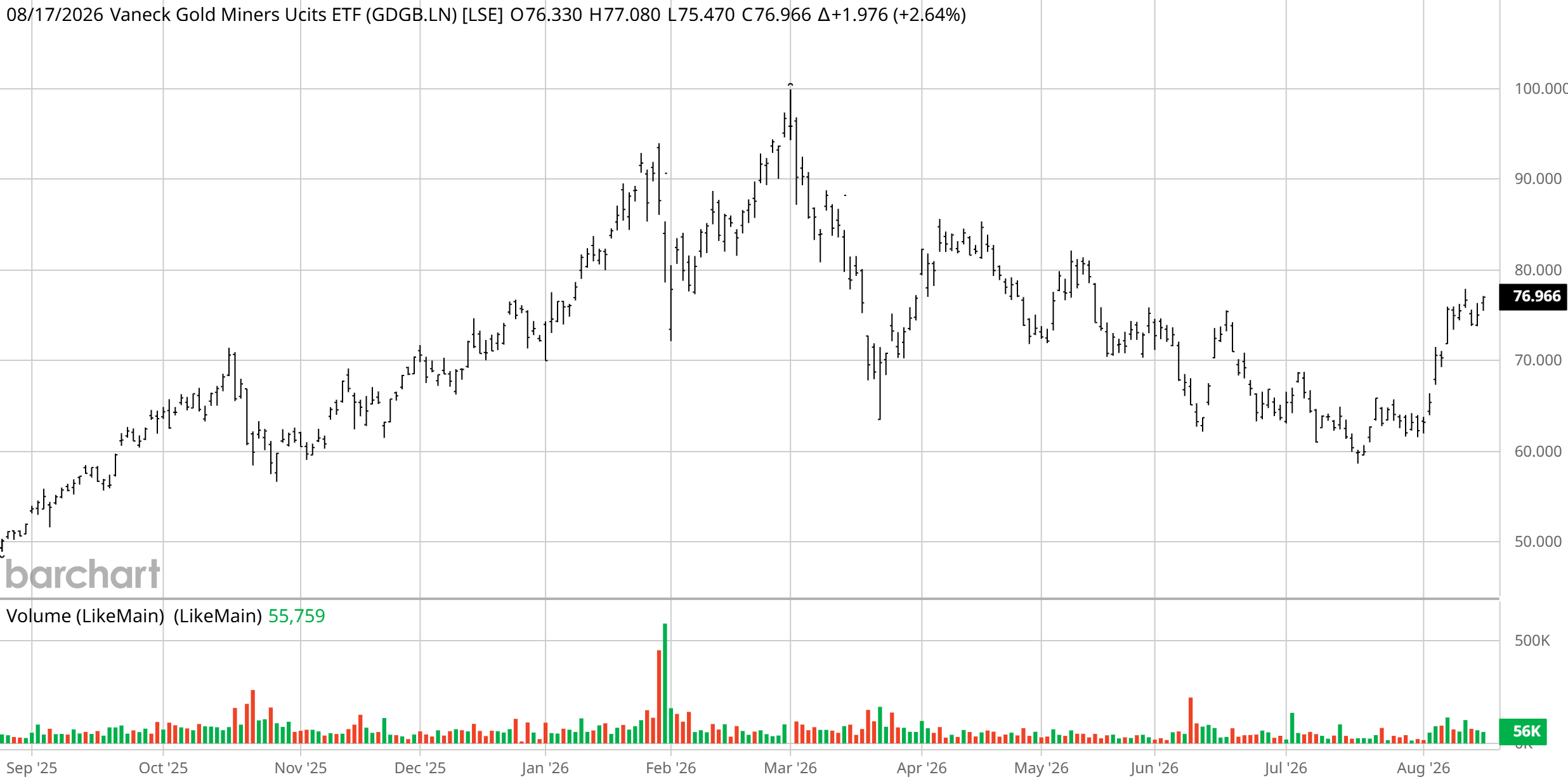
VanEck Gold Miners price chart over the past twelve months.
(Cover Image Credit: Scottsdale Mint)