Chips Fall as Oil Climbs Above $100
Markets had a difficult week. The Nasdaq Composite fell 4.5% and the S&P 500 lost 2%, while the Dow gained 0.67%. The message was clear: investors were taking money out of expensive technology and semiconductor shares and moving into steadier areas such as consumer staples, healthcare, and energy.
Semiconductors were at the centre of the damage. The Semiconductor Index dropped 11.4% and recorded its eighth straight daily fall. Memory and storage companies were particularly weak, while shares linked to newer Artificial Intelligence (AI) cloud providers also came under heavy pressure.
Several factors drove the sell-off. First, investors questioned whether the huge sums being spent on AI data centres would generate sufficient profits. Companies such as CoreWeave have borrowed heavily to buy chips and expand capacity. With borrowing costs high, any concern about future demand can quickly weigh on both cloud providers and their semiconductor suppliers.
Second, September US inflation was hotter than expected. That reminded investors that interest rates may stay high or could rise again before the end of this year. High rates tend to hurt growth shares most because much of their expected profit lies years ahead. Third, reports of progress by Chinese memory-chip maker CXMT added worries about competition and future pricing. After a strong run in 2026, semiconductor valuations also left little room for disappointment, so profit-taking became more aggressive.
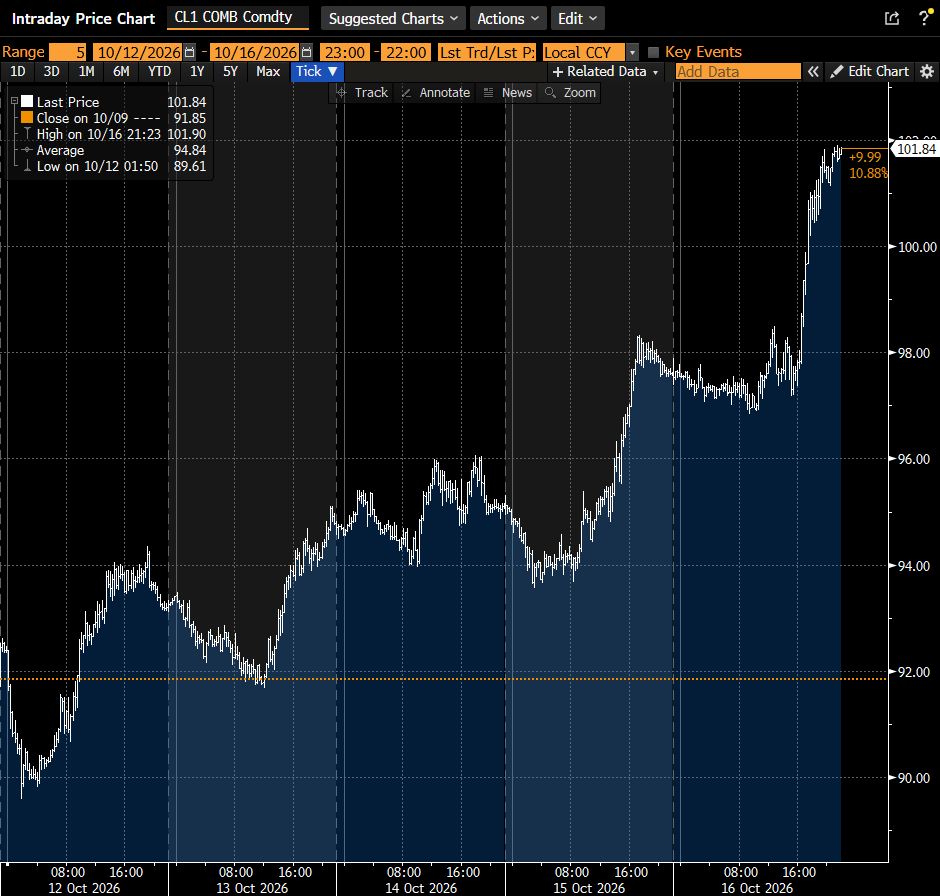
Oil added a second headache. West Texas crude rose over 10% to over $101 a barrel, while Brent gained 5% to touch $110. The immediate concern was supply through the Strait of Hormuz, as Tanker attacks increased amid the confrontation involving Iran and the United States.
Higher oil prices mean petrol, diesel, air travel, shipping, and manufacturing become more expensive. Businesses will pass those extra costs to customers, keeping inflation higher. This then squeezes household spending, and central banks are less willing to cut interest rates. Investors therefore have to manage the awkward combination of expensive energy, stubborn inflation, and weaker confidence in highly valued technology shares.
The Middle East remains the biggest short-term threat to energy supply. Any widening of the Iran–US conflict, or prolonged disruption around Hormuz, could push oil higher again. A calming of tensions would have the opposite effect providing relief to inflation expectations.
France ended the weekend under pressure after cost-of-living and public-service protests turned violent. The unrest added to worries about weak growth, heavy government debt, and a difficult budget debate. French shares have lagged Europe and elsewhere, with banks and luxury companies particularly vulnerable as investor confidence weakened.
Russia and Ukraine also remain closely tied to energy markets. Ukrainian attacks on Russian refining capacity have reduced diesel availability. Against that background, President Donald Trump agreed that Russia could supply more than 300,000 tonnes of diesel immediately, with further volumes planned, and the US Treasury temporarily eased restrictions on Russian diesel transactions through April 2027.
Trump also waived the latest sanctions and tariffs that were due by 18 October, rather than enforcing them immediately. Supporters argue that more diesel supply may ease prices for transport, farming, and consumers. Critics—including members of both US parties—say the volumes are too small to change prices much, while the revenue reduces pressure on Moscow and may help finance the war. The mixed message also creates uncertainty for Europe and Ukraine: Washington is seeking cheaper fuel while stepping back, at least temporarily, from tougher economic pressure on Russia.
The coming week will evaluate whether the technology sell-off was a sharp correction or the start of a broader reassessment. Earnings from major technology companies will matter, especially evidence that AI spending is producing real revenue and cash flow. Investors will assess semiconductor demand, financing conditions for AI data-centre operators, and any fresh inflation signals.
Oil and geopolitics may be just as important as company results. A further rise in crude would increase the pressure on inflation, consumers, and interest-rate expectations. Progress toward calmer relations in the Middle East would help, while further attacks around Hormuz would be a clear risk. On Russia and Ukraine, markets will watch whether the US diesel waiver becomes a wider easing of sanctions or remains a temporary measure.
Overall, this was a week when investors became less willing to pay any price for the AI story. The long-term case for semiconductors has not disappeared, but expectations had become demanding. With oil above $100, inflation still uncomfortable and political risks elevated, a more balanced and selective investment approach looks sensible.
(Source: Bloomberg)