On the Precipice
Global financial markets gyrated wildly amidst heightened volatility as ongoing developments in the Persian Gulf dominated sentiment. What could be described as an orderly market correction descended into a more serious ‘risk-off’ event as investors began to reprice greater odds of higher-for-longer inflation, the growing prospect of central bank hikes (including the ECB, BoE, and Federal Reserve) and a material global growth slowdown. This so-called ‘uncertainty premium’ was hastily applied to all assets outside of cash.
Operation Epic Fury has now entered its fourth week. Despite catastrophic damage to the Iranian military and leadership apparatus via joint US-Israeli military efforts, the regime survives. Critically, the Strait of Hormuz, the world’s most critical oil and fertiliser chokepoint, remains effectively closed. The result: a loss of approximately 11 million barrels of oil each day from the global market.
The latest flash point from the Middle East was a successful Iranian missile strike on Qatar's Ras Laffan gas complex that caused ‘extensive damage and massive fires’ that could take months or years to repair according to experts. Located in Qatar, Ras Laffan is essentially the world’s central ‘gas station’ for liquefied natural gas (LNG). It is the largest facility of its kind and provides about 20% of the entire planet's supply.
For markets seeking to appropriately price assets and risk real-time, that job has been made harder still by American and Israeli leadership pursuing diverse strategic objectives, a slew of contradictory public statements from decision makers inside the US administration, and the unwillingness of NATO members to commit military support in the region.
This week’s instalment via Truth Social (the American President’s communication medium of choice) was news over the weekend from the Donald that the US was ‘very close to meeting our objectives...and would consider winding down our great military efforts’.
Less than 24 hours later, another post, and ultimatum, from the very same President explicitly stating that ‘if Iran doesn’t fully open the Strait of Hormuz within 48 hours without threat, the US will hit and ‘obliterate’ various power plants. He promised a ‘twenty times harder’ response, citing ‘death, fire, and fury,’ if oil flow was interfered with.
As markets attempted to digest this clear escalation and potential turbocharging of the conflict on Monday morning, a welcome diplomatic pause was announced. In all-caps letters President Trump announced a five-day pause on all military strikes against Iranian energy infrastructure. The pivot followed reportedly ‘very good’ negotiations led by Steve Witkoff and Jared Kushner, aiming for a ‘complete and total resolution’ to regional hostilities.
Although a welcome relief rally ensued in Monday trading, the reality for markets is that a genuine resolution can, and will only, take place following a full reopening of the Strait of Hormuz with unencumbered access for global commercial vessels. A response from the Iranian leadership confirming the breakthrough has not yet been forthcoming, nor has the substance of the negotiations, and who represented the Iranian regime.
In terms of asset class performance this week, it has been an undesirable ‘sea of red’ across the board. Equities have struggled, led by those economies more sensitive to oil and gas prices including the Eurozone, UK, Japan, and selective emerging markets. In fixed income, bond yields have moved sharply higher across the board, which will bring headaches anew for central banks already grappling slowing growth and weakening employment.
Finally, the precious metals sector continues its role reversal from 2025. Instead of acting as a beacon of stability in uncertain times, gold (along with silver and precious metal mining stocks) has suffered a perfect storm. The yellow metal plunged as investors cash in their winning, liquid, positions first. Central banks in oil exporting countries are suffering from lower oil revenues and have dialled back gold purchases, whilst real bond yields have ripped higher, increasing the opportunity cost for gold holders as it pays no yield. Ouch!
Looking ahead, the noise from the Middle East will continue to override all other factors, particularly as the US economic calendar looks relatively light. Hopes rest on continued efforts from the MAGA administration towards securing a coveted resolution to this ongoing conflict.
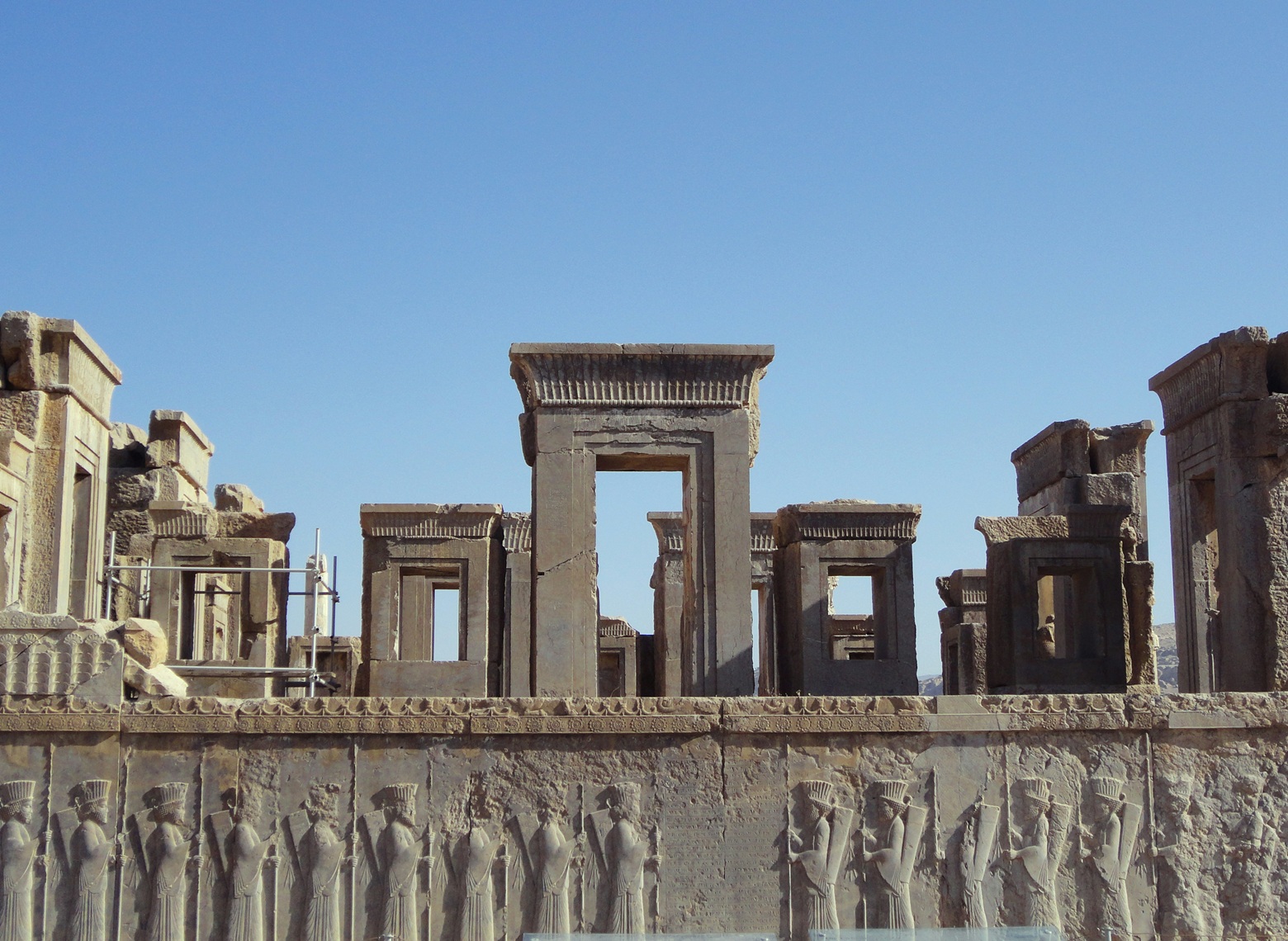
(Cover Image Source: Reza Modiri)